
Parboiling rice is the cooking technique for partially cooking rice. It is the first step and gateway to an array of dozens of beautiful layered Persian rice dishes. There are a dozen layered (also known as mixed) rice dishes in Persian cuisine, In Farsi, we called these layered, mixed rice dishes polo. To make polo is a two-step process. Making parboiled rice is the first step. In this post, I will break down the fool-proof method to make parboiled rice. It’s as easy as boiling pasta. Once you nail this step a world of Persian rice opportunities will be at your fingertips.
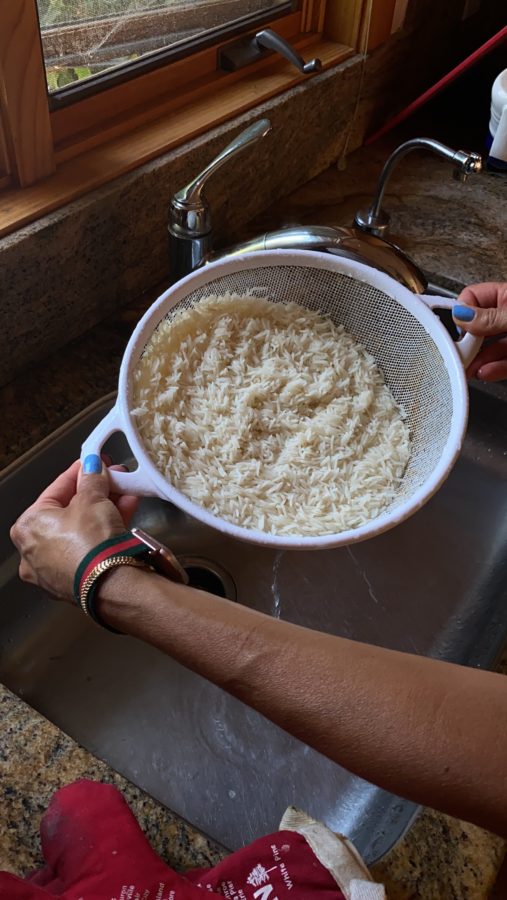
Before we get into making parboiled rice, let’s examine why we want to add this step. The main reason to learn parboiling rice to be able to enjoy rice dishes with a variety of ingredients. When we cook the rice partway, we can then layer in a variety of ingredients, returning the pot to the stove, finishing the cooking process resulting in elegant mixed rice dishes or polo.
Examples of Layered Persian Rice that use Parboiling for the first step:
- Loobia polo (rice with green beans)
- Baghali polo (rice with fava beans and dill)
- Adas polo (rice with lentils and dates)
- Persian Jeweled Rice | Shirin Polo (carrots, nuts, and dried fruit) – my favorite mixed rice of the bunch!
Parboiling rice is super simple. If you know how to boil pasta al dente, you know how to parboil rice! All you need is rice, salt, and water.
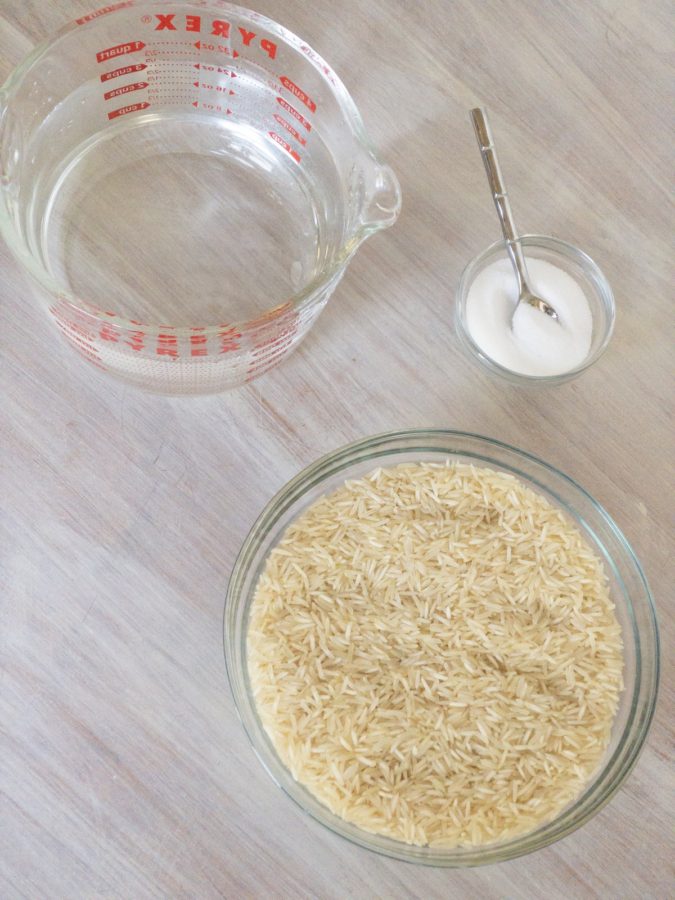
In Iranian cuisine to make mixed rice, we parboil (or partially boil) the Basmati rice first, add other ingredients – for example, vegetables, beans, legumes, dried fruit, nuts, sometimes meats, spices, herbs, and spices. We intentionally undercook rice in preparation for a 2nd rice cooking step to make the actual rice dish. Once the added ingredients are stirred in, the rice is returned to the stove to finish cooking.
How to Parboil Long-grain Basmati Rice:
Watch this video to learn how to parboil Basmati rice.
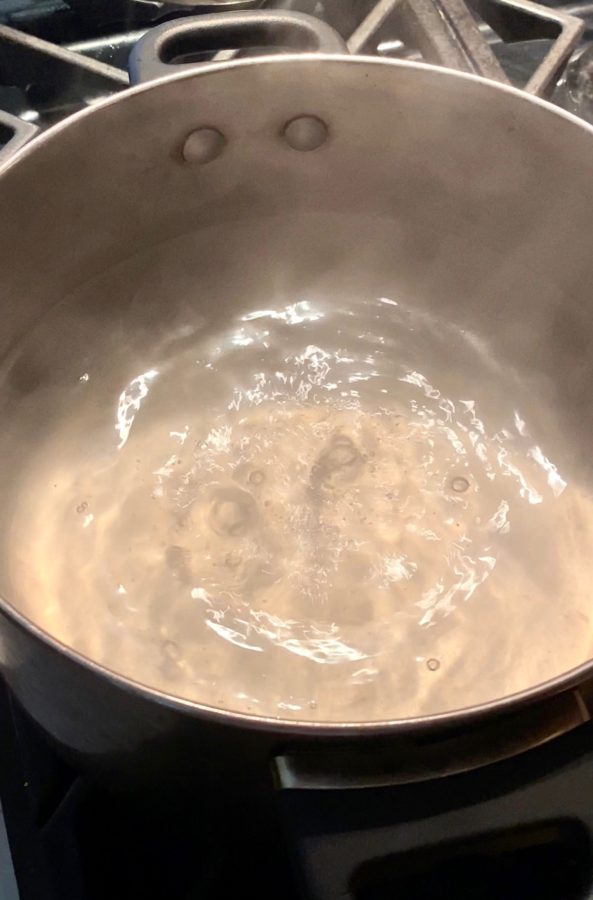
Start by bringing a big pot of water to a boil. While waiting for the water to boil, rinse the uncooked rice several times to release excess starches.
Steps:
- Fill up a large pot with water (about 12 cups water) along with 2 Tablespoons of the salt and bring to a boil
- Rinse 3 cups of uncooked rice in a bowl until the discarded water rinses clear to remove extra starches
- Soak the rinsed rice, just covering it with water, and stir in the remaining 2 tablespoons of the salt. Allow to soak for at least 15 minutes and up to a few hours
- Carefully transfer the rinsed rice into the boiling pot of water
- Once the water is boiling, cook for about 4-6 minutes or until the tips of a rice grain is clear
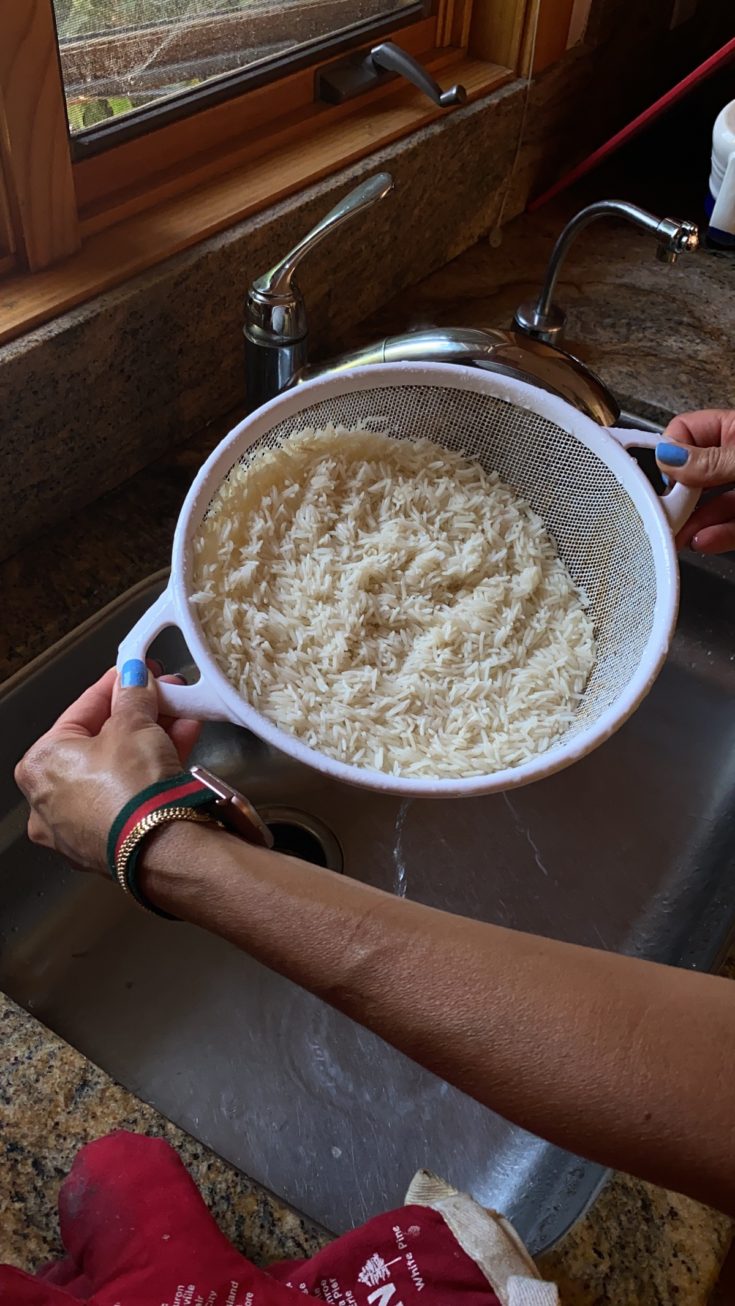
- Pour the parboiled rice out into a strainer and rinse with lukewarm water to rinse off some salt and to slow the cooking process
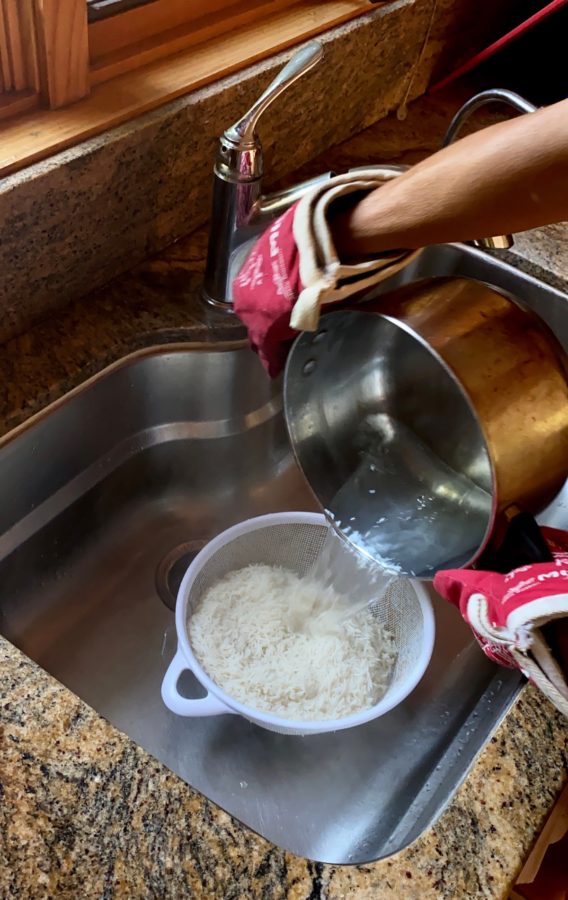
- Set aside to be mixed with add-in ingredients for the next cooking step in the mixed rice final dish!
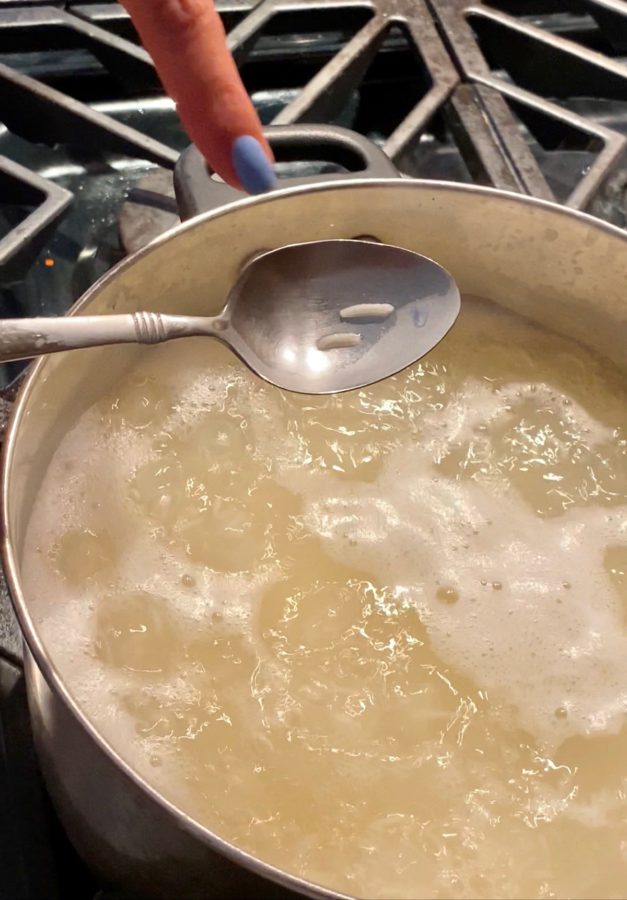
How to tell if the rice is properly par-boiled:
- taste test – tender but still a little firm (al dente)
- visual test – the grain of rice is clear on the ends with a dot of white remaining in the center
Shortcuts and Cheats:
Make extra parboiled rice to save some time when preparing mixed, layered rice dishes also known as polo. Parboiled rice may be saved for two to three days in an airtight container in the refrigerator.
In a real pinch, you can use leftover cooked rice and add the extra ingredients to it, oil in the bottom of the pot, and a little water for the re-heating. The challenge with this quick method is also having the add-in ingredients also pre-cooked.
Now that you’ve mastered this easy rice cooking technique, try your hand at making one of our family’s favorite mixed rice: Persian Green Bean Rice | Loobia Polo. If you’re in the mood for a cozy baked rice casserole dish, parboil some rice, add chicken, yogurt, and spices, and make our healthy version of yummy Tahcheen, Persian Chicken and Rice Casserole. Rice can also be served along side yummy appetizers like Kashk Bademjan (Persian Eggplant Dip).

How to Parboil Rice
Parboiling rice is the cooking technique for partially cooking rice. It is the first step and gateway to an array of dozens of beautiful layered Persian rice dishes. There are a dozen layered (also known as mixed) rice dishes in Persian cuisine, In Farsi, we called these layered, mixed rice dishes polo. To make polo is a two-step process. Making parboiled rice is the first step. In this post, I will break down the fool-proof method to make parboiled rice. It's as easy as boiling pasta. Once you nail this step a world of Persian rice opportunities will be at your fingertips.
Ingredients
- 3 cups uncooked long-grain basmati rice
- 12 cups water
- 1/4 cup salt
Instructions
- Fill up a large pot with water (about 12 cups water) along with 2 Tablespoons of the salt and bring to a boil
- Rinse 3 cups of uncooked rice in a bowl until the discarded water rinses clear to remove extra starches
- Soak the rinsed rice, just covering it with water, and stir in the remaining 2 tablespoons of the salt. Allow to soak for at least 15 minutes and up to a few hours
- Carefully transfer the rinsed rice into the large boiling pot of water
- Once the water is boiling, cook for about 4-6 minutes or until the tips of a grain of rice is clear (partially cooked or al dente)
- Pour the parboiled rice out into a strainer and rinse with lukewarm water to rinse off some salt and to slow the cooking process
- Set aside to be mixed with add-in ingredients for the next cooking step in the mixed rice final dish!
Notes
Storage: Make extra parboiled rice to save some time when preparing mixed, layered rice dishes also known as polo. Parboiled rice may be saved for two to three days in an airtight container in the refrigerator.
How to tell if the rice is properly par-boiled:
- taste test - tender but still a little firm (al dente)
- visual test - the grain of rice is clear on the ends with a dot of white remaining in the center
Nutrition Information:
Yield:
6Serving Size:
1Amount Per Serving: Calories: 103Total Fat: 0gSaturated Fat: 0gTrans Fat: 0gUnsaturated Fat: 0gCholesterol: 0mgSodium: 4735mgCarbohydrates: 22gFiber: 0gSugar: 0gProtein: 2g

Parboiling the rice, as per recent studies, also removes most of the arsenic from the rice, making it safer to consume. 🙂
What about parboiling brown rice? Does this need some extra time?
Hi Anke! Great question. I do not typically use brown rice. Yes, I would imagine that it would take a little extra time. Use the method of checking that the tips of a grain of rice are clear and cooked through while the center is still white and hard. Good luck, let me know how it goes. If you try this recipe could you please give the recipe card a star rating? Many thanks!
Sorry I’m a bit late to the party, but i just found your site. I have a recipe that calls for 2 cups parboiled basmati rice. I am wondering how much the rice will expand when parboiling it? I will probably not use more than the 2 cups called for over the next several days so I don’t want to make too much.
Hi! That’s a great question. One cup of raw rice will expand to be almost 3 cups of cooked rice!!