Cooking Persian food may seem daunting between the exotic ingredients list and the time consuming process of preparing old world recipes. This stock the pantry article lists ingredients that are easy to find (where and how to get them), substitutions, and tips and tricks to simplify making delicious, nutritious Persian recipes.
Health is the greatest wealth and a well-stocked kitchen pantry is the dollars and cents building your good fortune!
Persian food involves an abundance of fresh vegetables, herbs, beans, and legumes. We grew up eating it with our families. I have yet to meet a friend that hasn’t fallen in love with the aromatic old world flavors. Nutritious and delicious, we simplify the laborious preparation process and bring Persian food to everyday tables.
The first step is having a well-stocked pantry with Persian cooking essentials.
Stocking the pantry, kitchen, and refrigerator properly is a key factor in proactively preparing healthy, nutritious meals and snacks for yourself and those you share nourishment with. Take a bit of time to shop wisely to have the items on hand to create dishes and make the best possible food choices.
If you enjoy making healthy Persian recipes at home, having your pantry stocked will make it so easy to make the recipes you’re craving!
There are a handful of ingredients for Persian cooking that are unusual and potentially hard to find. I have included links for ordering them online as a resource.
Persian Pantry Essentials
Spices
- saffron
- turmeric
- cinnamon
- cumin
- cardamom
- dried lime (limoo omani)
- sumac
- rose
- mint
- fenugreek
- salt and pepper
Unique Ingredients for Persian Cooking
- Persian Saffron
- Saffron Spray
- Rose petals
- Persian Rosewater
- Mint, dried
- Barberries
- Dried, sour Persian limes
- Persian Cardamom Tea
Canned Items
- garbanzo beans/chickpeas
- kidney beans
- white beans
- black-eyed peas
- canned, stewed tomatoes; tomato paste, tomato sauce
Dry items
- Long-grain, white Basmati rice
- Flat noodles (flat Persian noodles in Farsi is ‘reshteh’ – can be substituted with fettuccine or linguine noodles)
- dry legumes such as lentils
- dry beans (see the list about under canned items)
Seeds & Nuts
- pistachios
- raw almonds
- slivered and sliced almonds
- walnuts
Persian Baking Essentials
Flours
- whole wheat pastry flour
- almond flour
- rice flour
- wheat starch
- corn starch
Sweeteners
- honey
- sugar
Oils
- Olive oil
- Cooking oil/ vegetable oil
- Spray cooking oil
Persian Rice Flour Cookies, Baklava Spice Cupcakes and Dairy Free Rice Pudding.
Perishable Items for Persian Cooking
Condiments/Sauces
- vegetable broth; chicken stock
- lemon juice, lime juice
- mayonnaise
Fresh Produce
- pomegranate
- lemons and limes
- onions, garlic, chives
- tomatoes
- Persian cucumbers
- potatoes
- fresh herbs – mint, parsley, cilantro (may also use freeze-dried or dried herbs)
Persian Cucumber Yogurt Dip and Persian Shirazi Salad.
Bread
- whole-grain bread
- whole-wheat pita
- whole wheat naan or lavash
Dairy and Eggs
- eggs
- plain yogurt
With this list of pantry essentials, you are ready for a fully stocked Persian pantry ready to try making the best Persian recipes.
Best Healthy Persian Recipes
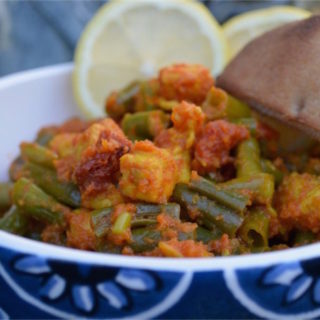
Persian Green Beans | Loobia with Chicken
A traditional Persian dish with green beans is lightened up with chicken and extra lemon juice. Tasty on it's own or served with Basmati rice.
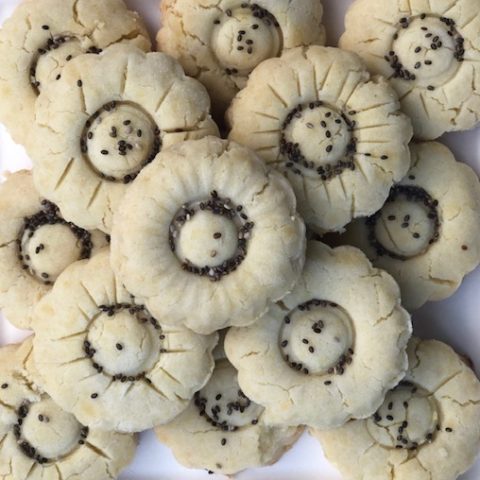
Naan Berenji Persian Rice Flour Cookies
Light and aromatic, Naan Berenji Persian Rice Flour Cookies are delicate, lightly sweetened, pretty cookies. Traditionally served around the Persian New Year and welcome any time of year! They are low sugar and naturally gluten-free.
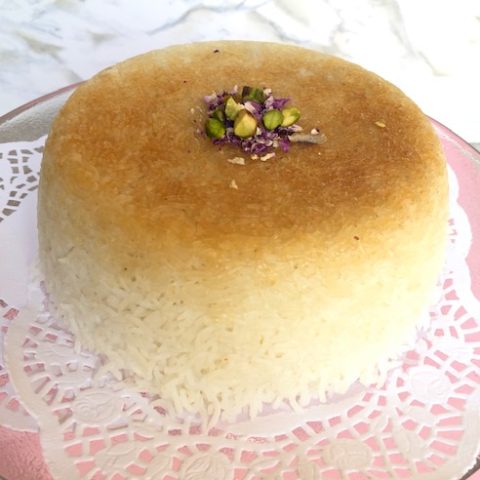
How to Prepare Persian Rice in a Rice Cooker
Iranians take their rice very seriously! It has to be high-quality long-grain, Basmati rice (from India). When prepared correctly each grain of rice should separate with a fork when cooked. Sticky rice is not optimal in Persian cuisine. Rice, or polo as is the word in Farsi, is served practically anytime there is a meal on the table. Follow this simple recipe to make perfect Persian rice every time.
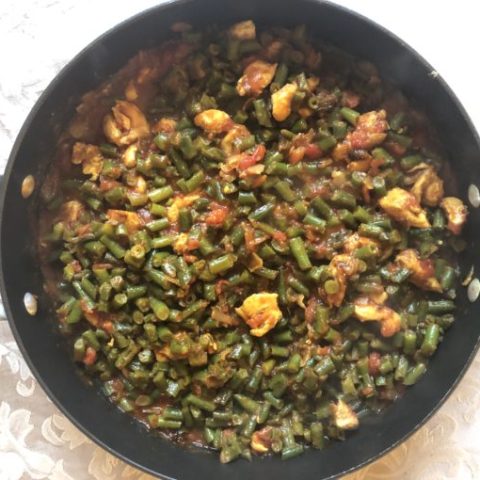
Loobia Polo Morgh Persian Spiced Green Beans with Rice and Chicken
Loobia polo is a Persian dish that translates to mean Green Beans rice. I have altered the traditional recipe by using chicken ('morgh') in the place of beef. It is an aromatic, delicious, well rounded meal enjoyed by our family for years. Hope you try it too.
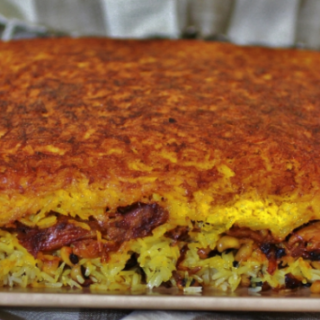
Tah-Cheen Baked Persian Chicken and Rice Casserole
A delicious, savory Persian comfort food made with chicken, rice, eggs, yogurt saffron and turmeric. I like to prepare "Tah Cheen" with left over chicken or turkey and left over cooked rice. It is a like a Persian rice casserole.
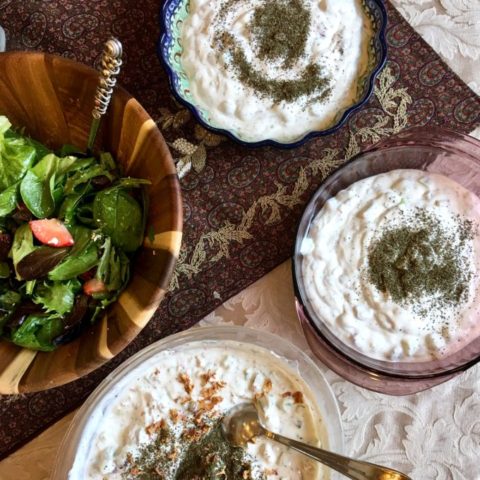
Persian Cucumber Yogurt Dip Mast-O-Khiar
Mast-O-Khiar is a traditional side dish translated to English as Yogurt with Cucumbers. It is simple to make and very healthy, especially if you use nonfat yogurt.
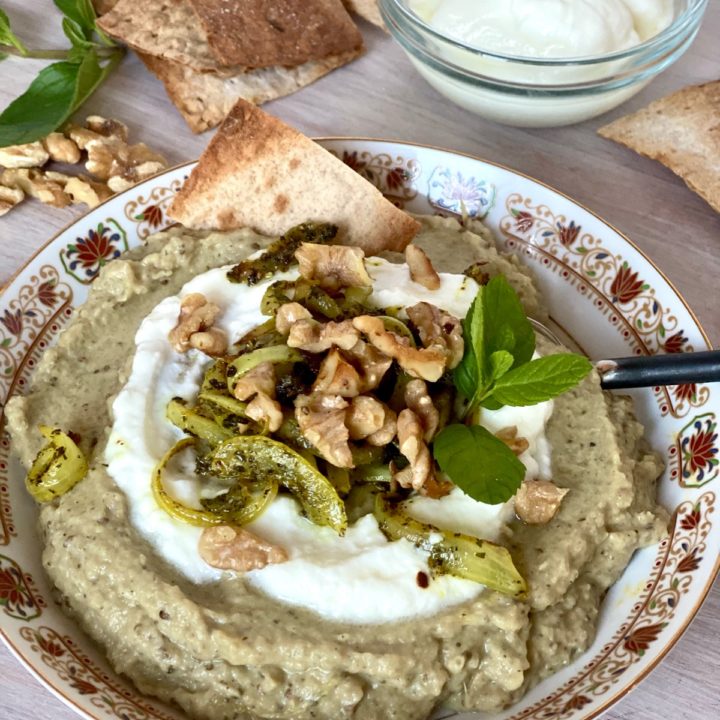
KASHK BADEMJAN | PERSIAN EGGPLANT DIP
Borani is a dish made with eggplant. It is a healthy, savory side dish or appetizer. Enjoy it on the side of a Persian dish or with some toasted, whole wheat pita slices.
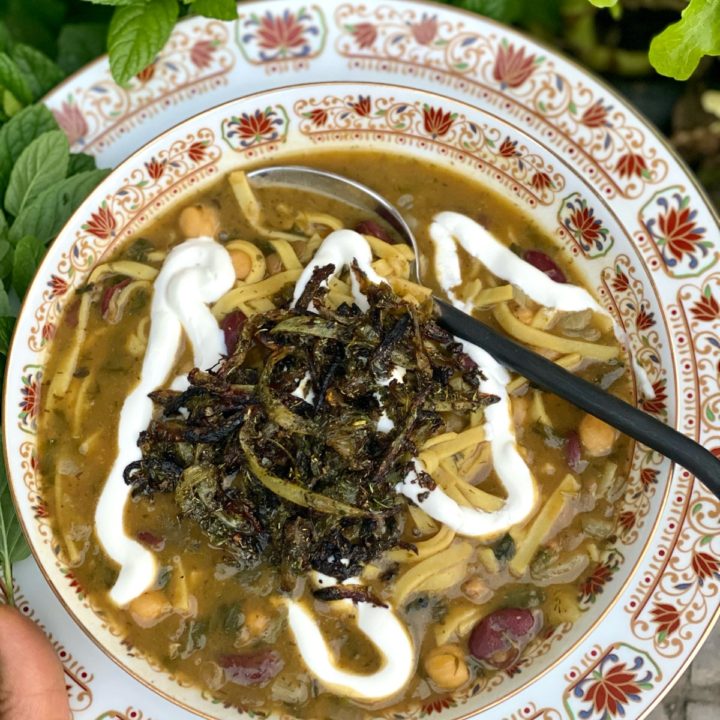
Aash Reshteh | Persian Noodle Soup
Aasheh Reshteh is a vegetarian Persian noodle soup. Introducing a highly nutritious, herby noodle soup, loaded with beans, fiber, and flavor.
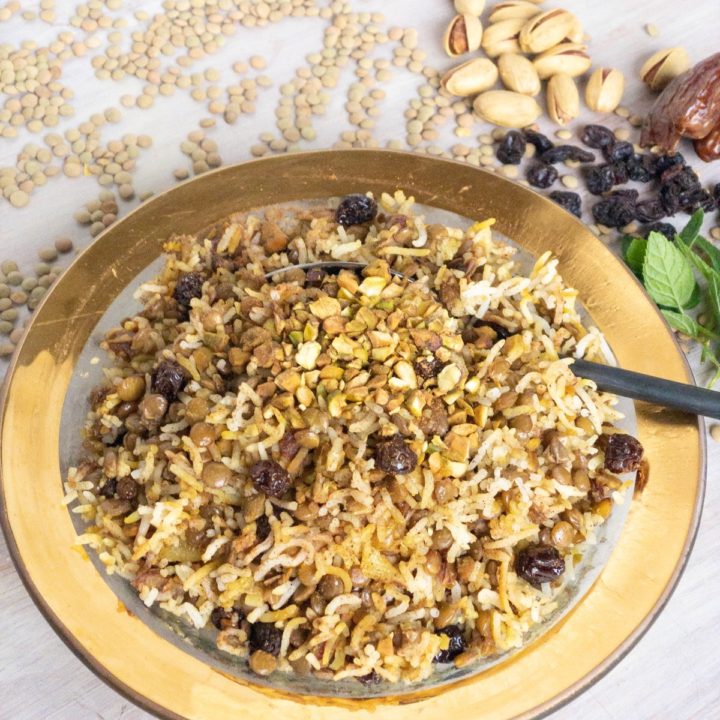
Lentil and Date Rice | Adas Polo
Adas Polo (Lentil and Date Rice) is a delicious and highly nutritious dish.
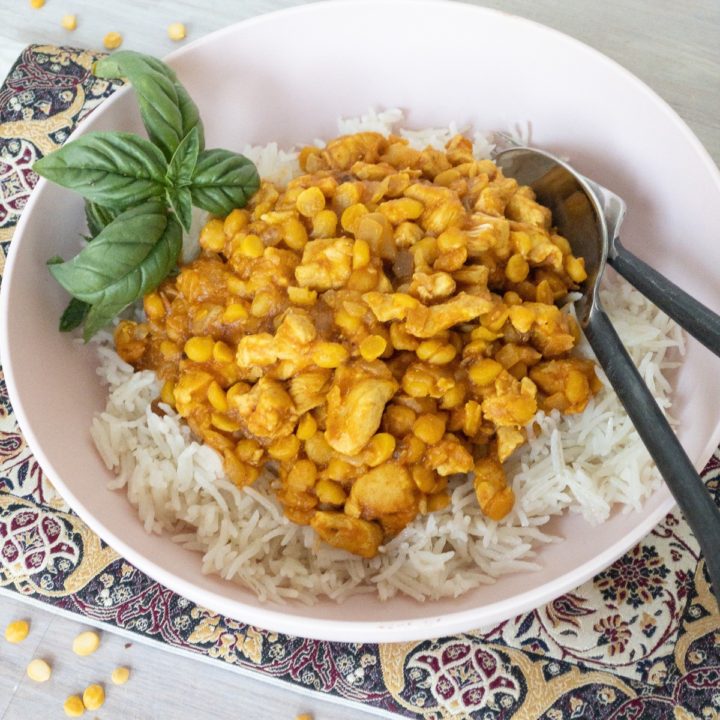
Persian Yellow Split Pea Stew | Khoresh Gheymeh
Persian Yellow Split Pea Stew is a common traditional stew in Iranian cuisine served over rice.

Leave a Reply